
Understanding your past. Reconnecting with yourself. Creating space for something different.

Sometimes the experiences that shape us most are the ones we’ve learned to minimize, push through, or leave unspoken.
You may have spent years being the strong one, anticipating other people’s needs, or keeping everything together on the outside while feeling anxious, disconnected, or overwhelmed on the inside.
Perhaps you notice familiar patterns in your relationships. You struggle to trust, have difficulty setting boundaries, feel responsible for other people’s emotions, or find yourself reacting in ways you don’t fully understand.
These patterns often have a history. And understanding that history can be an important part of creating change.
At Sisu Therapy in Keller, TX, I offer trauma therapy for adults ages 18 and up who want to better understand themselves, process difficult experiences, and develop healthier ways of relating to themselves and others.
My approach is warm, collaborative, and grounded in the belief that meaningful healing begins with understanding, connection, and compassion.
You don’t have to have all the answers. And you don’t have to tell your entire story to begin.
Trauma isn’t always defined by a single overwhelming event. Sometimes it develops through repeated experiences of unpredictability, emotional disconnection, loss, or relationships in which our needs weren’t consistently met.
Over time, we develop ways of coping that help us navigate difficult circumstances. We may learn to stay hyperaware of others, avoid conflict, suppress our emotions, or rely entirely on ourselves.
These responses may have once served an important protective purpose. But what helped us adapt in the past doesn’t always serve us in the present.
You may recognize some of these patterns without ever having thought of your experiences as trauma.
Trauma therapy offers an opportunity to explore those connections with curiosity rather than judgment.
There is no single story of trauma, and you don’t need a particular diagnosis or experience to deserve support.
As a trauma therapist in Keller, TX, I work with adults navigating the lasting effects of difficult experiences, including:
Our earliest relationships shape how we understand safety, connection, and our own worth.
Growing up with emotional neglect, inconsistent caregiving, family conflict, instability, or early loss can influence the beliefs and relationship patterns we carry into adulthood.
You may have learned that your needs were too much, that emotions weren’t safe to express, or that being independent was the only way to feel secure.
Therapy helps us explore how those early experiences shaped your sense of self and whether those patterns still reflect what you need today.
Not all trauma comes from a single event. Sometimes the most lasting wounds develop within relationships.
Experiences of rejection, betrayal, emotional invalidation, abandonment, or unpredictable relationships can shape how we connect with others.
You may find yourself longing for closeness while simultaneously fearing it, struggling to trust, or repeatedly entering familiar relationship dynamics.
Attachment-focused trauma therapy helps us understand these patterns and create opportunities for more secure, authentic connections.
When difficult or threatening experiences happen repeatedly, especially within important relationships, their effects can become woven into how we see ourselves and the world.
You might experience chronic anxiety, shame, emotional overwhelm, difficulty identifying your needs, or a persistent sense that you must remain in control.
Our work focuses on understanding these adaptations, strengthening emotional awareness, and gradually developing new ways of responding.
Loss can change the way we experience ourselves, our relationships, and our sense of safety in the world.
Whether you’ve experienced the death of someone important, a sudden or frightening event, or another significant loss, therapy offers space to process the emotional impact without expectations about how grief should look or how quickly you should move forward.
Sometimes the effects of trauma are not immediately recognizable.
You may seek therapy for anxiety, perfectionism, persistent self-criticism, or depression, only to discover that these experiences are connected to earlier relationships or painful life events.
Together, we can explore the deeper patterns contributing to your current struggles while also developing practical ways to navigate everyday life.

Healing begins with feeling understood, not with being pushed to revisit painful experiences.
I believe trauma therapy should be collaborative, thoughtful, and responsive to your individual needs.
Rather than focusing exclusively on reducing symptoms, my approach also explores the deeper emotional patterns, beliefs, and relationship experiences that may be keeping you feeling stuck.
We work to understand not just what you’re experiencing, but why certain patterns developed and what they may have been protecting you from.
Depending on your needs, our work may incorporate:
Our relationships, particularly our earliest ones, influence how we experience closeness, trust, vulnerability, and emotional safety.
Through attachment-focused therapy, we explore how these experiences shaped your expectations of yourself and others, and how you can begin developing healthier, more secure patterns of connection.
The therapeutic relationship itself can become an important space for experiencing consistency, trust, and emotional understanding.
Sometimes we find ourselves repeating familiar patterns even when we consciously want something different.
Psychodynamic therapy helps us explore the emotions, beliefs, and unconscious patterns that influence our present-day experiences.
By developing greater insight into these connections, we can begin responding with more awareness and choice rather than automatically relying on familiar ways of coping.
Many of us carry different emotional parts of ourselves.
There may be a part that works hard to keep everything under control, a part that fears rejection, or a part that learned long ago not to depend on anyone.
Using a parts-work informed approach influenced by Internal Family Systems (IFS), we approach these experiences with curiosity and compassion rather than trying to eliminate or fight against them.
The goal is to better understand the protective roles these patterns have played and develop a more compassionate relationship with yourself.
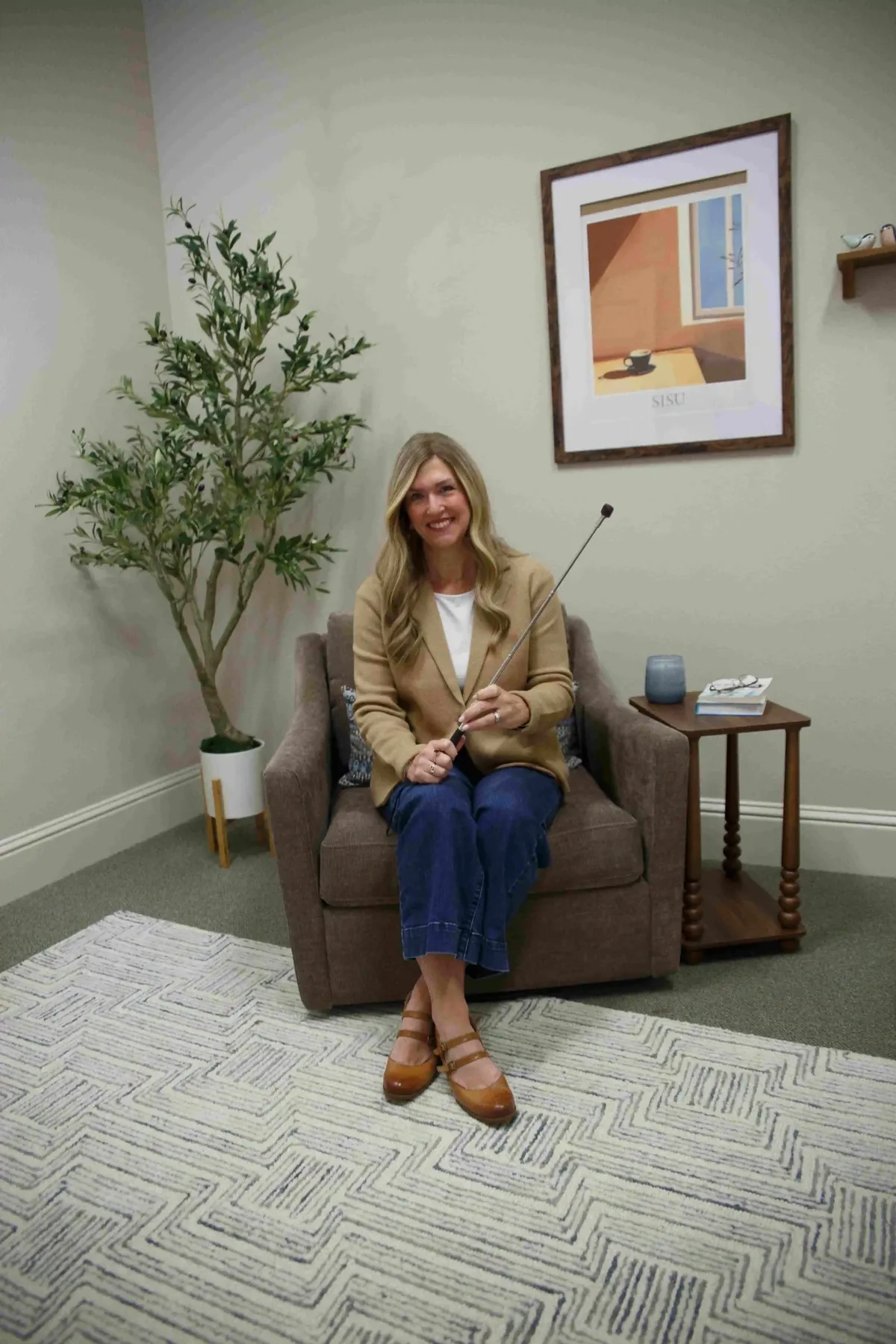
Brainspotting is a brain-body-oriented therapeutic approach that uses focused eye positions and awareness of internal experiences to support emotional processing.
For some clients, it offers another way to explore difficult experiences, particularly when emotions feel challenging to access or describe.
I incorporate Brainspotting when clinically appropriate and when it aligns with your comfort, preferences, and treatment goals.
Understanding our patterns is important, but so is developing the ability to recognize and respond to our emotions in everyday life.
Together, we may work on recognizing emotional triggers, expanding your capacity to tolerate difficult feelings, identifying your needs, and developing grounding and coping strategies.
These skills can support the deeper work of trauma therapy while helping you feel more connected and present in your daily life.
Coping skills can be valuable, particularly when anxiety, emotional overwhelm, or trauma responses interfere with daily life.
But for many adults, the desire for therapy goes beyond simply feeling less anxious or managing difficult emotions.
You may want to understand why you feel responsible for everyone else. Why vulnerability feels uncomfortable. Why you struggle to recognize your needs. Or why certain relationships continue to bring up familiar feelings of rejection, fear, or inadequacy.
These questions deserve space.
Trauma therapy can be an opportunity to move beyond surviving familiar patterns and begin developing a different relationship with yourself.
That might mean learning to set boundaries without overwhelming guilt, allowing yourself to need others, responding to mistakes with compassion, or recognizing that you no longer have to earn your worth through achievement or caretaking.
Healing doesn’t mean erasing the past. It means developing greater freedom in how you live with its impact.
I offer in-person trauma therapy in Keller, TX, as well as secure online trauma counseling for adults throughout Texas.
For some clients, meeting in person provides a welcome opportunity to step away from daily responsibilities and focus on themselves in a private, supportive environment.
Others appreciate the flexibility and familiarity of telehealth.
Both formats can provide meaningful opportunities for therapeutic connection and trauma-focused work. Together, we can determine which option best supports your needs and preferences.
My Keller office welcomes adults from surrounding communities, including Southlake, Colleyville, Roanoke, North Richland Hills, and the greater Fort Worth area.
I’m Karman, a Licensed Clinical Social Worker Supervisor and the founder of Sisu Therapy.
My background includes more than a decade of experience in child welfare, crisis counseling, school-based mental health, and private practice. My clinical training includes Brainspotting and Trust-Based Relational Intervention (TBRI), and my therapeutic approach is informed by psychodynamic, attachment-focused, relational, and parts-work informed perspectives.
I have a particular interest in helping adults understand how early experiences, attachment wounds, and difficult relationships influence their sense of self and the ways they connect with others.
I recognize that many people come to therapy having spent years being capable, independent, and responsible for everyone around them, while rarely having the space to explore their own emotional needs.
My role isn’t to tell you who you should become. It’s to help you better understand who you are, how your experiences have shaped you, and what meaningful change might look like in your life.
I believe therapy works best when it feels like a genuine relationship grounded in trust, curiosity, and mutual respect.
And I believe that strength isn’t always about pushing through. Sometimes it means allowing yourself to be supported.

Starting therapy can feel vulnerable, particularly when you’ve spent years keeping difficult experiences to yourself.
My goal is to create an environment where you feel respected, understood, and involved in your own healing process.
We’ll briefly discuss what brings you to therapy, answer any questions, and explore whether my approach feels like a good fit for your needs.
Our first session is an opportunity to begin getting to know one another, explore your current concerns, and discuss what you hope to gain from therapy.
You won’t be expected to share every detail of your past. We’ll approach your history thoughtfully and collaboratively.
Sessions typically take place weekly or every other week, depending on your needs and goals.
Some sessions may focus on current challenges, while others explore deeper emotional patterns, past experiences, or trauma processing.
We’ll regularly revisit your goals and adjust our approach as your needs evolve.
Sometimes the patterns that helped us survive difficult experiences become the very patterns that leave us feeling disconnected, overwhelmed, or stuck.
Recognizing those patterns isn’t a failure. It’s an opportunity to understand yourself differently.
At Sisu Therapy, I believe meaningful healing begins with curiosity, connection, and the possibility that things don’t always have to be the way they’ve been.
If you’re ready to explore how past experiences may be influencing your present life, I’d welcome the opportunity to work together.
Strength to heal. Space to grow.
Schedule a free 15-minute consultation to learn more about trauma therapy for adults in Keller, TX.

You don’t need to have experienced a single catastrophic event or received a PTSD diagnosis to benefit from trauma-informed therapy.
Sometimes painful experiences involve repeated emotional disconnection, early loss, unpredictable relationships, or needs that were consistently overlooked.
If you notice that past experiences continue to influence your emotions, relationships, or sense of self, therapy can help you explore those connections.
No. Trauma therapy doesn’t require you to recount every detail of your experiences.
We’ll work collaboratively to determine what feels helpful and clinically appropriate. Some sessions may focus on present-day patterns and relationships, while others may involve exploring past experiences or using trauma-processing approaches.
Your comfort, readiness, and treatment goals are important parts of that process.
Yes. Early relationships can influence how we understand trust, emotional safety, boundaries, and our own needs.
For example, someone who learned to avoid conflict or prioritize others’ emotions may continue using those strategies in adult relationships, even when they create distress.
Attachment-focused therapy can help you recognize these patterns and develop new ways of connecting.
Trauma therapy isn’t necessarily separate from talk therapy. It refers to treatment that intentionally addresses the effects of traumatic experiences.
My approach integrates relational and insight-oriented conversation with trauma-informed strategies, emotional regulation skills, and Brainspotting when appropriate.
The focus is on understanding both your current experiences and the patterns that may have developed in response to earlier events.
Brainspotting and EMDR are both approaches used to help people work through trauma and difficult experiences, but they work a little differently.
EMDR follows a structured process that often uses guided eye movements to help you process distressing memories. Brainspotting uses specific eye positions to help you notice and explore emotions, memories, and physical sensations that may be difficult to put into words.
At Sisu Therapy, I offer Brainspotting rather than EMDR. We can explore together whether Brainspotting might be a good fit for you and your therapy goals.
Yes. These patterns can sometimes develop as ways of maintaining connection, avoiding conflict, or creating a sense of safety.
Therapy can help you explore where these tendencies originated, understand what maintains them, and develop healthier ways of recognizing and expressing your needs.
Not all people-pleasing or perfectionism is trauma-related, so we’ll explore your individual experiences rather than assuming a particular cause.
Yes. In addition to in-person trauma counseling in Keller, I offer secure telehealth appointments for adults throughout Texas.
We’ll consider your preferences, privacy, and clinical needs when deciding whether in-person or online sessions are the best fit.
There isn’t a universal timeline for trauma healing.
The length of therapy depends on your experiences, current concerns, treatment goals, and the type of work we’re doing together.
Some clients benefit from shorter-term, focused treatment, while others choose longer-term therapy to explore deeply rooted emotional and relational patterns.
We’ll check in regularly about your progress and what feels most helpful.